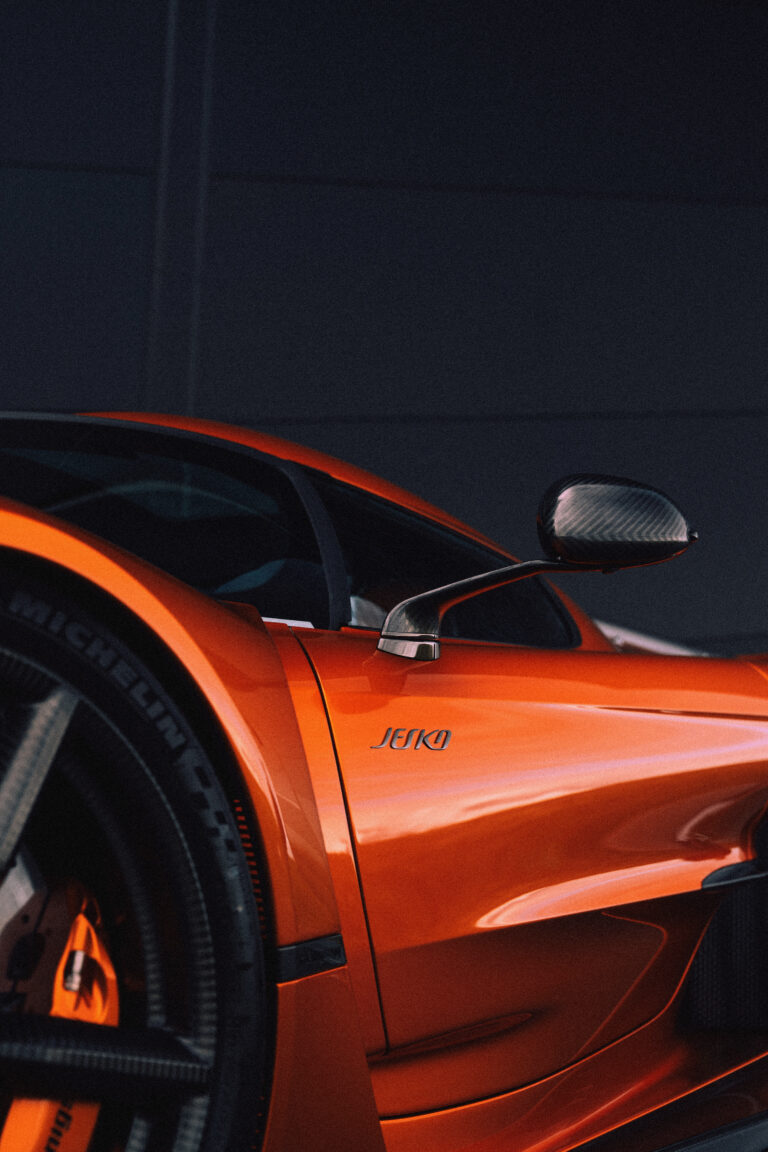
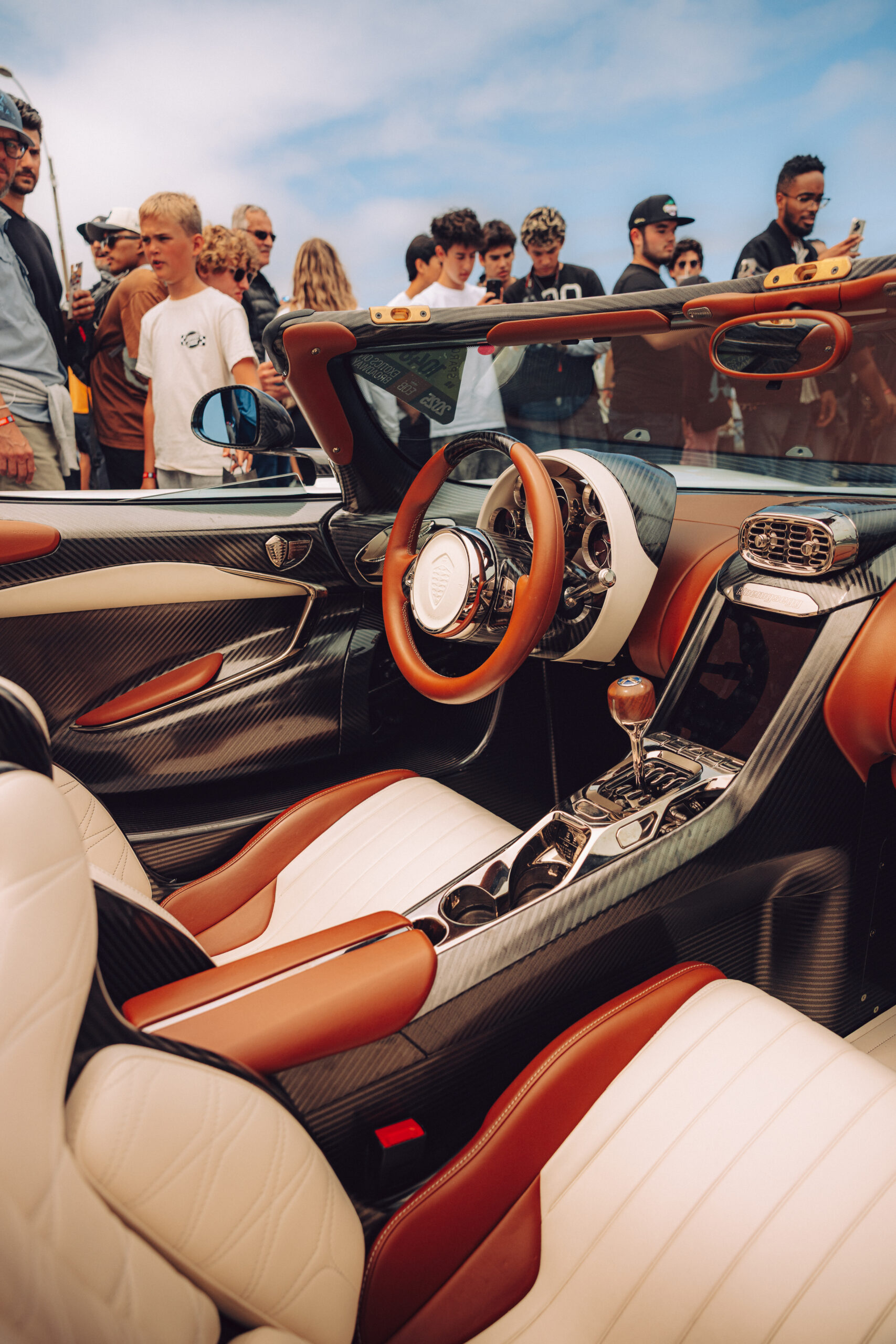
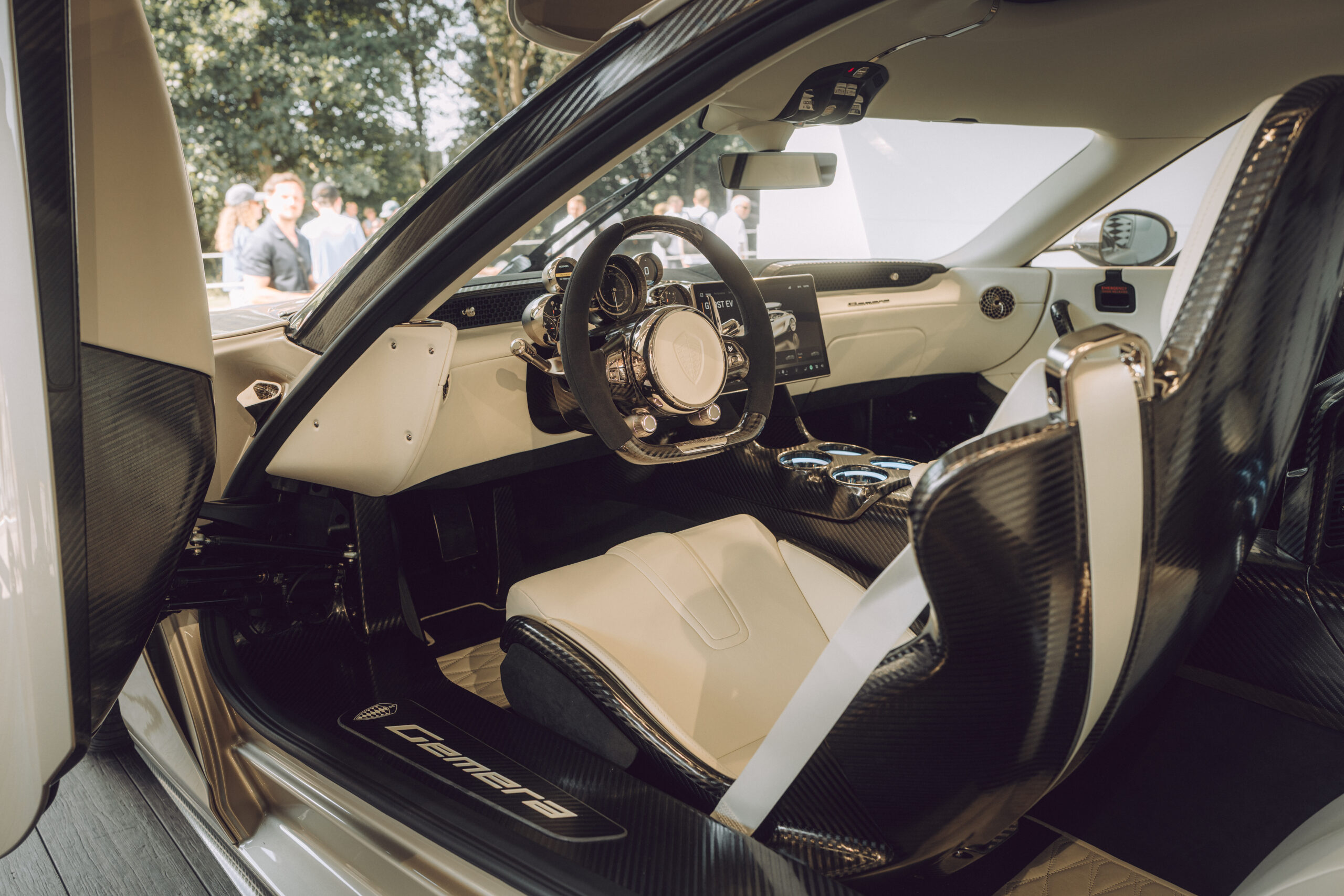
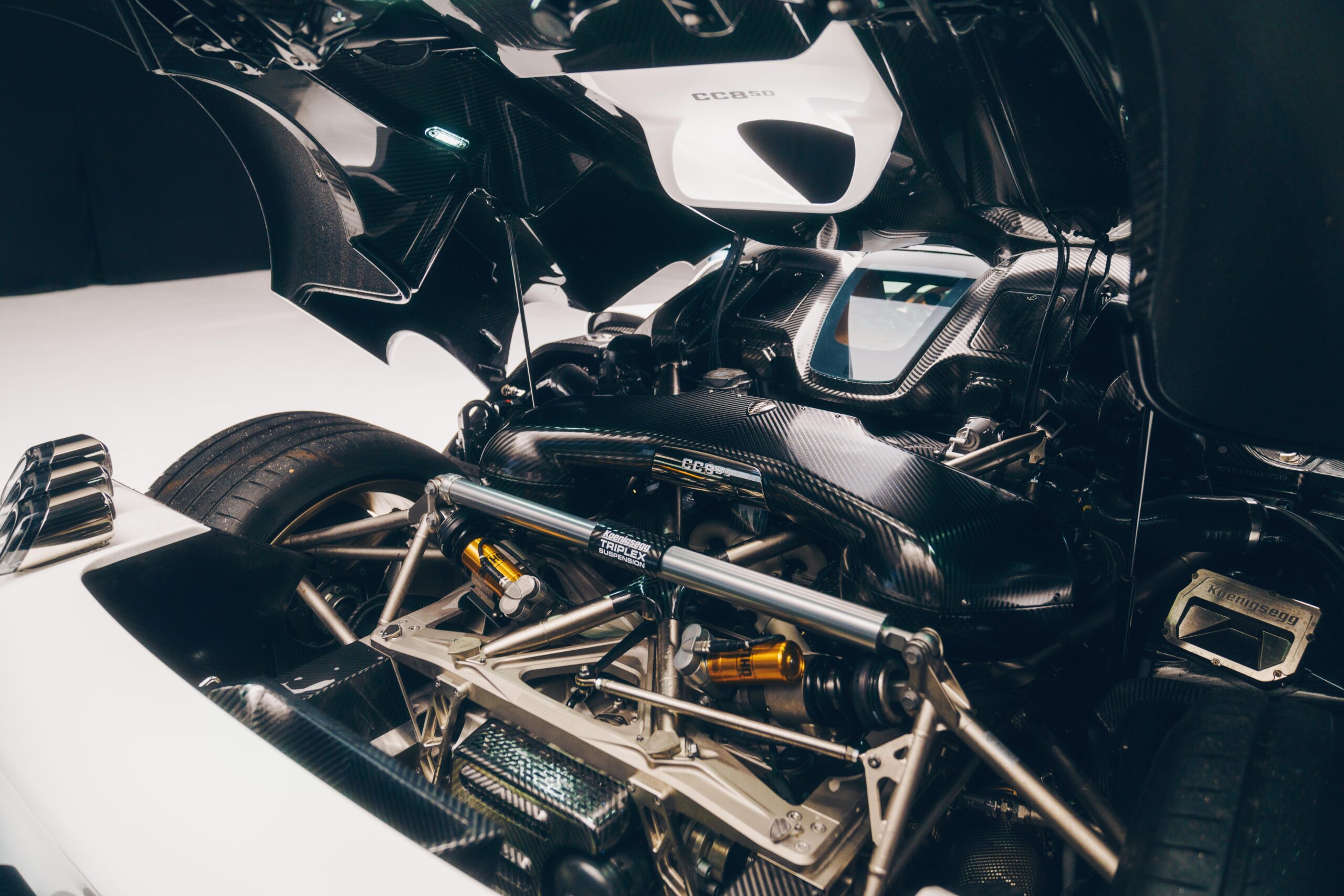
The areas of life that captivate me most are where engineering and art converge—cars, watches, architecture. These fields, where artistic vision meets the constraints of physics, greatly inspire me. As consumers of these forms of art, we sometimes wonder: did the art come first, or the engineering? Which one influenced which? The realities are often more nuanced, and following cutting-edge engineering does not necessarily mean giving up an artistic vision of the final product. In my opinion, one of the best people to get a perspective on this intersection is Christian von Koenigsegg—the founder and CEO of Koenigsegg Automotive. I got the chance to speak with him about how his car brand handles this clash of inspirations and limitations. What I found out is that art and innovation live hand-in-hand at Koenigsegg.
A Harmony of Art and Innovation
Few companies merge art and engineering as seamlessly as Koenigsegg. This overlap is where the company thrives, and the cars that emerge from their factory in Ängelholm, Sweden, are not purely objects of cutting-edge technology or purely artistic endeavors. While many focus on the engineering feats of Christian’s cars, I want to know how the man behind these frankly wild creations sees himself: artist or engineer? His answer—in a few more words—was that he cannot be one or the other. According to Christian, the two should not be in competition but should work hand-in-hand.
Engineering does not limit art—it gives it form.
The design process is like sculpting; each fine-tune breathes life into the machine.
The Artist Behind the Engineer
Many outside observers see his cars from the perspective of performance numbers and entries in the Guinness Book of World Records, and it’s not wrong to shower the company with praise for its technological innovations. However, listening to Christian speak about the brand’s design processes, it’s clear he’s very much an artist at heart with his designs rooted in a deeper creative philosophy.
Building on First Principles
When he founded the company over two decades ago, the supercar market was in disarray—Porsche was nearly bankrupt, and betting on a hypercar from a small startup in Sweden was more than a hard sell. With just a clay model of his first car and a background selling frozen chickens, among other products, Christian said that creating cars was not then and is still not about being fearless. Fear is an important aspect of creation, but for him the process is about not being afraid to stay true to first principles and the original inspiration. The goal was never to just build a car—it was to create an emotional experience. The feeling behind the wheel, the rumble through the pedals, the deep breath of the engine—these emotions were envisioned and tested in Christian’s mind long before the clay model took form.
Hidden Beauty and the Art of Detail
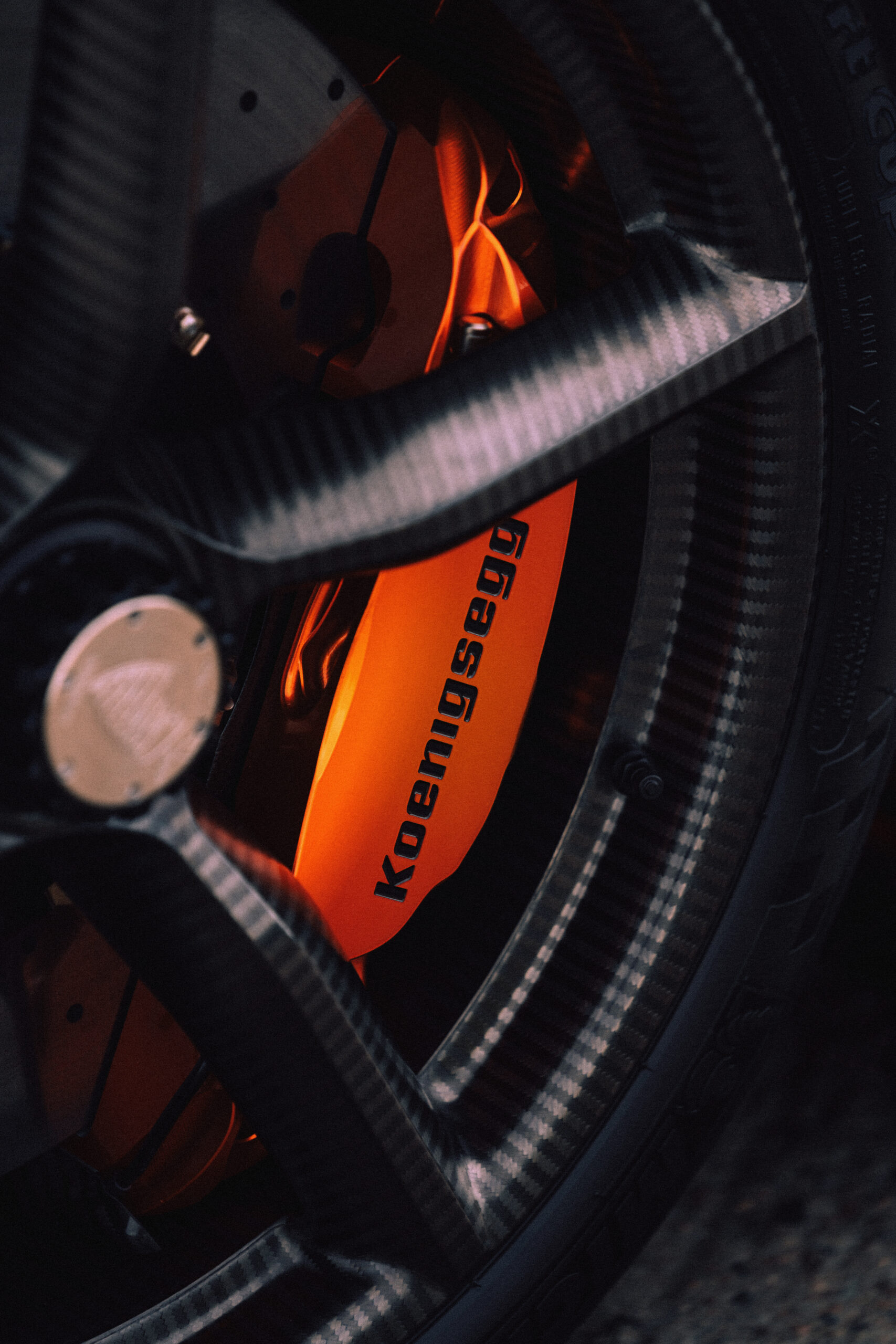
In a previous interview, Christian spoke about how beautiful a turbine inside a torque converter is. A piece that customers would never see, but it serves as inspiration for him and the rest of the team. If the team can be inspired by the beauty of such a subterranean feature, then that inspiration can naturally spread to the rest of the car. That means that the team can often spend far too much time on components never seen even by the most discerning clients, but Christian likens it to creating archeological finds. In the future, people will take his cars apart to repair, restore, or study them, but in doing so, will see the care Koenigsegg took in the creation of an artistic vision, whether it’s a carbon fiber body onlookers at car shows can fawn over or a wiring harness buried out of view.
Freedom Through Craftsmanship
This devotion to quality and beauty has become a key component to the development of the Koenigsegg. Right now, approximately 85% of the components of each car are made by Koenigsegg, and 100% of each car is assembled at their factory. Christian said that producing so much in-house is absolutely key to achieving an artistic vision of the car. Their cars are not bound by the ability of another company, and the beauty of any individual part is not held back by the standards of an outside factory. The car and its vision are entirely controlled by the design team, which empowers them to create without external constraints. This creative freedom, according to Christian, allows them to build the car they dream of, not one limited by external suppliers.
Christian von Koenigsegg cannot be one or the other—artist or engineer. The two work hand-in-hand.
The Sculpture in Motion
Designing a car differs from other forms of art, though. We don’t just look at cars—they’re experienced on a deeply sensory level. We feel them, hear them, and often push them to their, or our, limits. We hear the engine beating and breathing. These are factors beyond Guinness records or lap times, so, where does the art of driving a car take shape?
The design has come to life and a prototype is built, the engine has spent hours on the dyno, and the car is finally ready to hit the track. All that is left is fine-tuning.
According to Christian, this is when the sculpting begins, and some of the most significant artistic work happens at Koenigsegg. Gearing is modified, shift points changed, suspension tightened, maybe slightly wider tires in the back. All of these example changes could easily be lumped under the directive to “create the fastest car,” but to Christian, those modifications are how his vision comes to life. That fine-tuning is when he can create the feelings that stay true to the car he had already driven in his imagination. It is in these final adjustments that the emotional heart of the car is formed, and it becomes a living, breathing piece of art.
Listening to Christian speak about the brand’s design processes, it’s clear he’s very much an artist at heart with his designs rooted in a deeper creative philosophy.
Collectors as Custodians
Early on Christian realized that Koenigsegg couldn’t sell cars; customers had to come to them. The cars have to be beautiful objects that hold both value and imagination for decades. He thinks of the people who buy his cars, not unlike other art consumers, as the caretakers of the brand and not just customers. They are the ones who will lead Koenigsegg into the future and share the company’s art with the generations to come.
A Legacy of Emotion
Let me be clear: I love Koenigsegg. They aren’t just wildly innovative cars; they’re works of art. The emotions they produce are far beyond the thrill of driving fast. Few companies, automotive or otherwise, today create products that combine engineering and art in such a cohesive approach while staying true to the original concept. Koenigsegg stands out as a shining example of this rare, holistic approach to creation. They are undoubtedly a hypercar company that not only sets the standard for innovation, but the artistic vision of the company and its founder, Christian von Koenigsegg, will be what ensures the brand’s legacy for decades to come. –